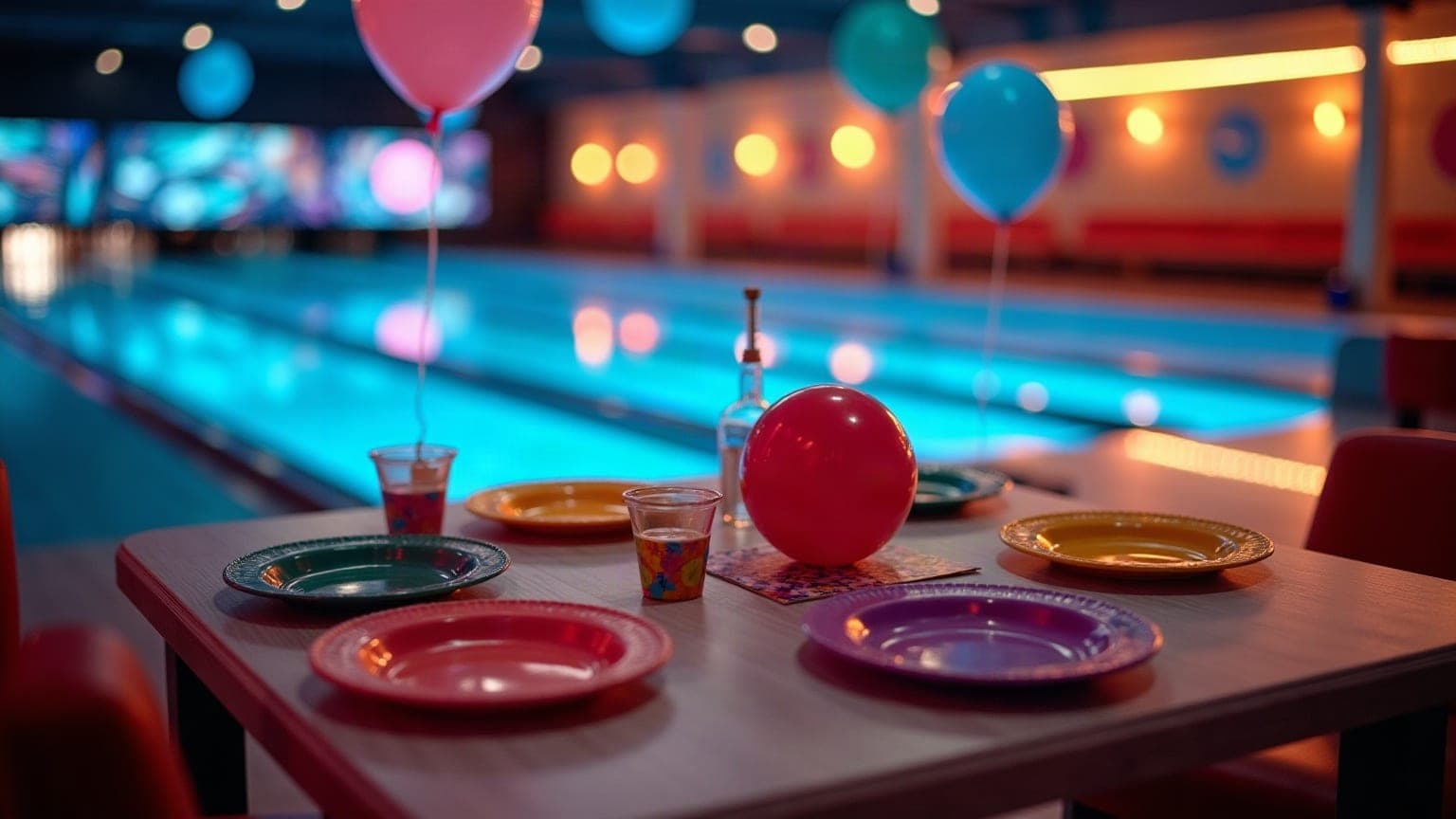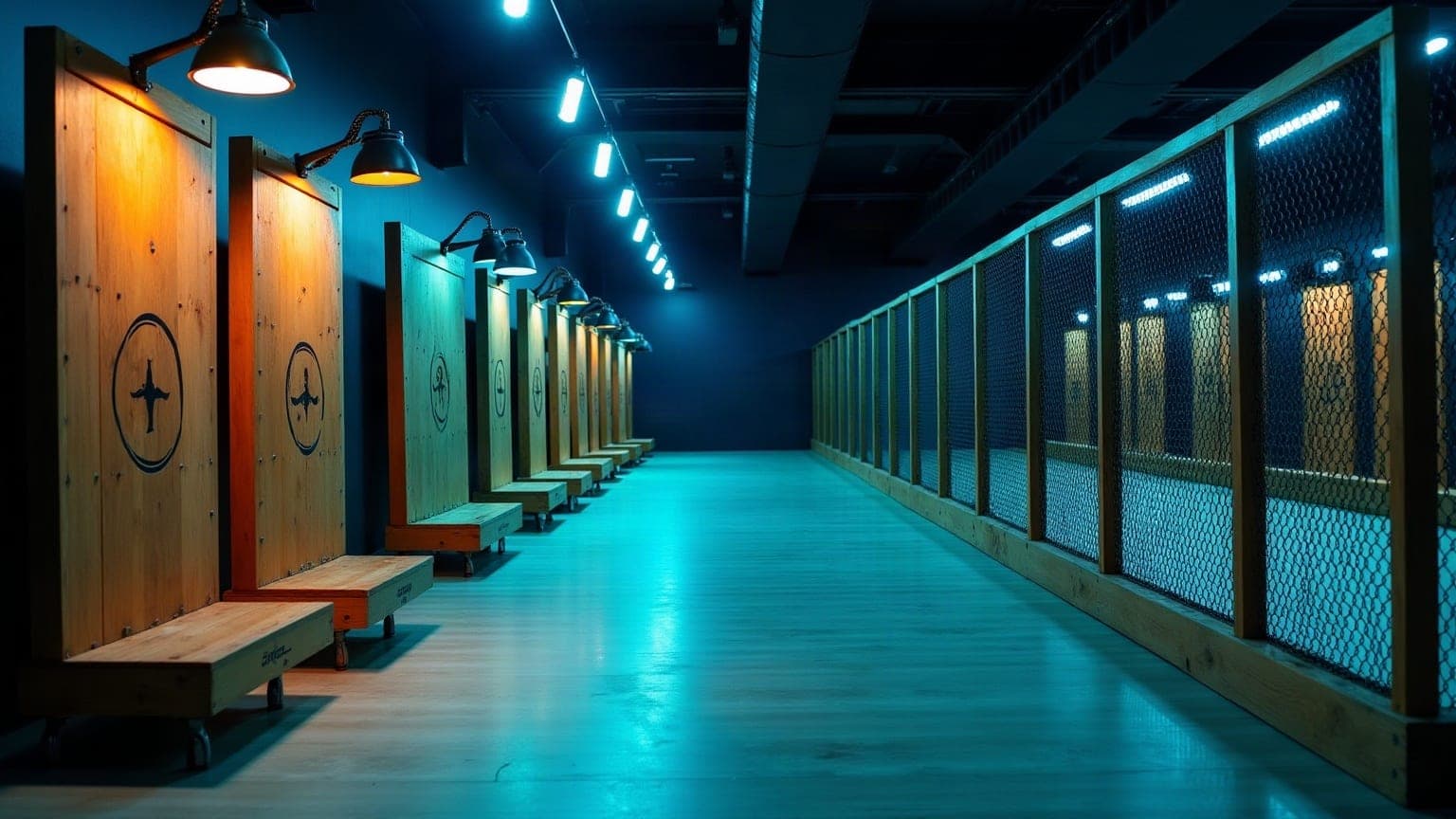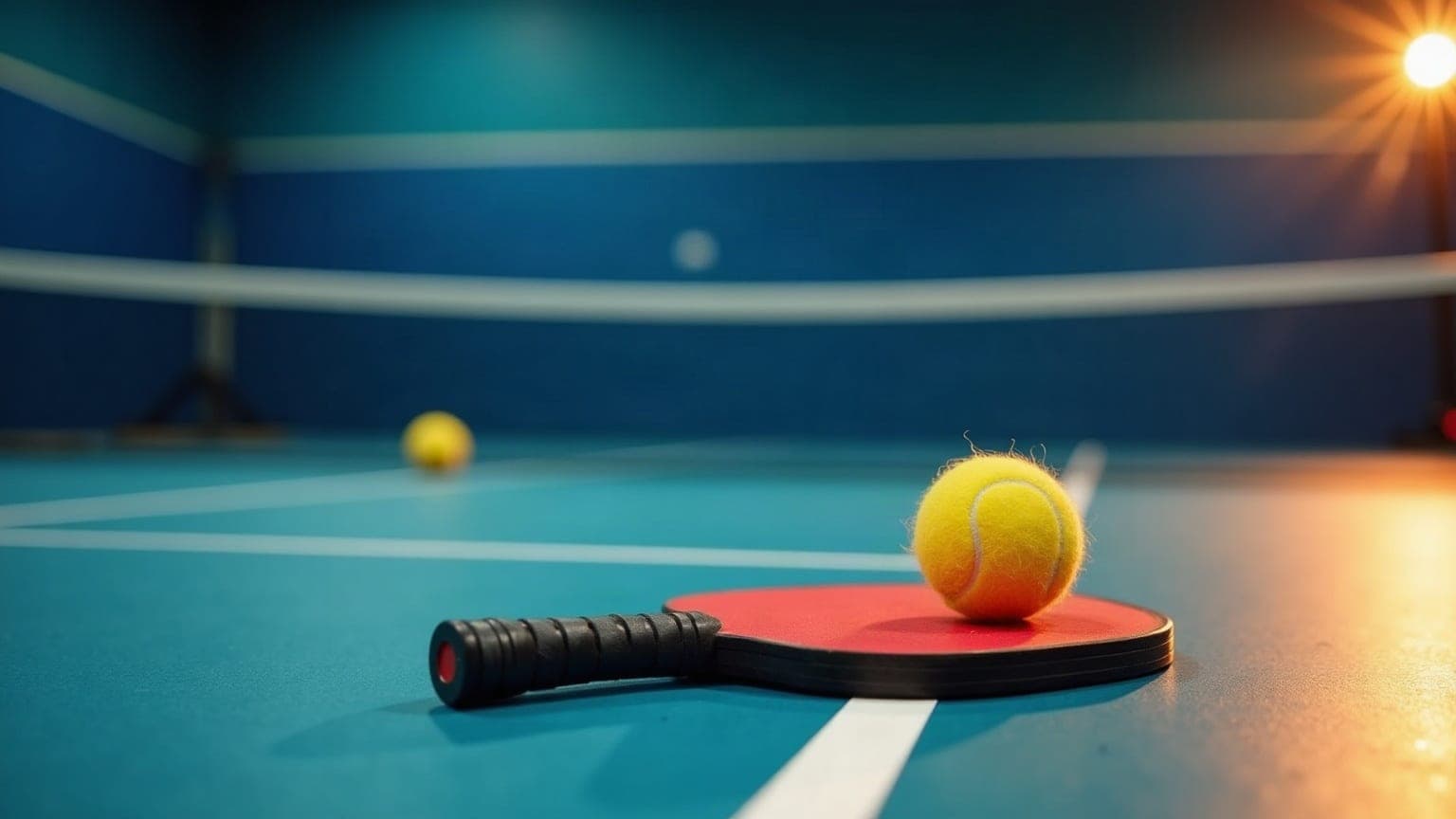

A corporate team outing near New Orleans works best when it gives a group of coworkers a real choice of activity instead of forcing everyone into the same one, runs on a schedule with a clear start and end, and leaves enough unstructured time for people to actually talk to each other. Pickle N Pins in Metairie fits that shape well: six ticketed activities, pickleball, padel, duckpin bowling, axe throwing, Krazy Darts and shuffleboard, plus free backyard games, an arcade, and a full bar and kitchen sit under one indoor roof just west of the city.
Most of the planning logic below applies to any team outing, anywhere: how to size the group, which kinds of activities actually build team dynamics instead of just filling time, how to structure the hours, and how to budget per head before you have a locked number. The venue-specific part covers what is actually bookable here and how to reach out about it.
Sizing the group and booking with enough lead time
A team outing for eight people and one for fifty are different events, not the same event scaled up. A small group can usually share one activity comfortably; a larger one needs either a bigger booking or a split across two or three activities running at once, since only so many people can be on one court or one lane at a given time. Settling a rough headcount before reaching out saves a round trip, since it changes both which activities make sense and how the time should be split.
Headcount also changes how cost is structured, not only logistics. Pickleball and padel are booked and priced per court, so a group filling a court for the hour splits a single rate regardless of how many people are on it. Duckpin bowling, axe throwing and Krazy Darts are priced per person instead, so the total for those scales directly with attendance. Shuffleboard is different again: it is charged per hour for the table, whoever is playing. Checking current rates on pricing once the headcount is roughly settled is more useful than estimating from an old number.
Lead time matters more for a corporate booking than most planners expect, especially for an after-work slot on a weekday evening or a weekend event, both of which fill faster than an off-peak weekday afternoon. Members can reserve up to fourteen days ahead, which is worth knowing if outings here become a recurring thing for the same office; a membership is a separate decision from booking one event, but it is relevant for a team that comes back quarterly. For a first outing, special events is the place to start for anything beyond a small, casual booking, since it covers planning support and carries the venue's own enquiry form.
Choosing activities that actually build team dynamics
Not every activity that fills an afternoon actually does anything for a team. The ones that work tend to share two traits: they narrow the gap between the most and least athletic person in the room, and they force some amount of communication rather than letting people compete silently side by side. The activities overview is worth a look before settling on an anchor, since seeing all six options side by side makes the tradeoffs between them clearer than reading about each one in isolation.
Activities that level the playing field
Axe throwing rewards a consistent, repeatable technique over raw athleticism, which gives a desk-bound employee roughly the same shot at a good throw as someone who plays a sport every weekend; our axe throwing for beginners guide covers how the technique and safety basics work for a first-timer. Duckpin bowling moves at a conversational pace and needs almost no skill to enjoy on a first try, using a smaller ball and shorter pins than standard ten-pin bowling, three rolls per frame instead of two; see what is duckpin bowling for how a frame actually plays out. Both activities let a mixed-fitness group compete on close to even footing, which matters more for morale than a genuinely competitive sport does.
Activities built around pairs
Pickleball and padel are both doubles-first sports by design, which makes them naturally suited to pairing coworkers up rather than leaving anyone to compete alone or sit out a rotation; padel vs pickleball covers how the two differ if the group has never tried either. Pairing people who do not normally work together is a small, low-pressure way to get cross-team conversation going, which is often the actual goal of a team outing more than the activity itself. Krazy Darts and shuffleboard work well as lower-key options nearby for anyone who would rather not do something physical, without leaving them out of the event.
Structuring a two- to three-hour outing
Most corporate outings run two to three hours after accounting for travel, and the biggest planning mistake is treating that block as open time rather than giving it a shape. An outing with no structure tends to drift into people standing around a bar waiting for direction, which is a worse outcome for team building than a slightly rigid schedule.
A workable structure looks like this: a short window to arrive and get oriented, a defined block on the anchor activity or activities, a dedicated stretch for food, and unstructured time at the end for anyone who wants to keep playing or just talk. Building the schedule around a clear anchor rather than leaving the whole visit open-ended gives people something to plan around, which matters for a group balancing the outing against the rest of a workday or an evening commute.
Splitting a larger team across stations
A single activity struggles to hold a large group's attention at once, since only so many people fit on one court or one lane. Splitting a bigger team across two or three activities running in parallel, some on courts, some bowling, some throwing axes, keeps more people actively doing something at any given moment instead of standing around waiting for a turn, and the group can rotate partway through if that fits the schedule better than staying put for the whole visit.
Handling a mixed group of enthusiastic and reluctant participants
Every office has people who will throw themselves into a competitive activity and people who would rather not, and a team outing that ignores that gap usually alienates the second group without meaning to.
Why forcing participation backfires
Mandatory fun has a bad reputation for a reason: an employee who feels pushed into a competitive activity in front of their manager tends to remember the pressure more than the activity itself, and that memory works against the goal of the outing rather than for it. The fix is not skipping competitive activities altogether, since plenty of people genuinely want them; it is making sure nobody has to opt into one to be seen as a good sport.
Giving a genuine low-pressure option real weight
Free backyard games, cornhole, washers, table tennis, foosball and Connect 4, and the arcade both work well here, since neither needs a reservation and neither requires committing to a competitive format in front of coworkers. Someone who does not want to throw an axe in front of their manager can spend the same time at a game that carries no performance pressure, without sitting the outing out entirely. Framing the day around choice, rather than a single mandatory activity for the whole group, tends to produce a better outing than forcing participation, and it costs nothing extra to plan for, since those options are already part of the building.
Where food and drinks fit for a work group
Food does more work at a corporate outing than at most social gatherings, since a sit-down meal is often where the actual conversation and relationship-building happens, more than during the activity itself. Treating food as a real block of scheduled time, rather than a rushed stop between activities, gives quieter conversations room to happen once the more structured, competitive part of the day is over.
Pickle N Pins runs a full bar and kitchen on site, with a menu covering appetizers, salads, tacos, sliders, wings and pizza, so a team does not need a separate reservation elsewhere once the activities wrap up. TVs around the bar and a large LED wall in the yard game area give the group something to watch together if the conversation lulls, which works well for an outing that doubles as an informal way to watch a game as a team. Because food service runs the length of the visit rather than on a fixed restaurant schedule, there is no cutoff to plan around if the activities run long.
Budgeting per head without a number in hand
Here is how the math works without a specific figure attached: for pickleball or padel, the hourly court rate divides across however many people are on that court, so a fuller court lowers the effective per-person cost. For duckpin bowling, axe throwing and Krazy Darts, each participant is billed individually per hour, so the per-head cost holds roughly flat no matter how many people join, and scales directly with how long the activity runs. Shuffleboard is charged per hour for the table rather than per player.
Food and drinks are a separate line that depends on what the group actually orders, so it is worth asking about dietary restrictions and whether alcohol is part of the budget before the day, not after the check arrives. The most reliable way to build an actual number for approval is to settle a rough headcount and activity mix first, check current rates on the pricing page, and reach out through special events for a group booking, since exact packages and minimums can vary by group size and are best confirmed directly.
What goes wrong at corporate outings, and how to avoid it
A handful of mistakes show up at work outings again and again, and nearly all of them are avoidable with a little planning. Forcing one activity on the whole office is the most common one; not everyone wants to be visibly competitive in front of their manager, and building in a genuinely low-pressure alternative avoids turning the outing into an obligation for anyone who would rather not compete. Waiting too long to book an after-work or weekend slot is another, since those windows are the busiest and the first to fill; reserving through booking a week or two ahead protects the timing a team actually needs.
Not confirming attendance until the last minute makes it hard to book the right amount of court or lane time, so setting a firm RSVP date, even an informal one, helps more than it seems like it should. Ending the outing with no clear stopping point is the last common failure: some employees need to catch a ride, relieve a sitter or simply end their workday, so announcing both a start and an end time up front, rather than leaving it open-ended, respects that without cutting the outing short for people who want to stay longer.
The bottom line
A corporate team outing works well at Pickle N Pins when the group is mixed, in fitness, in competitiveness, or in what people actually want out of the afternoon, because six activities, free backyard games, an arcade and a full kitchen under one roof mean nobody has to sit out the whole event. Settle a rough headcount, pick one or two anchor activities that level the field rather than favor the most athletic person in the room, block real time for food, and give reluctant participants a genuine low-pressure option instead of forcing everyone into the same game.
It is a weaker fit for an outing built around a single sport at a serious, competitive level, where a dedicated single-sport facility focused on that one activity will usually serve a specialist group better than a venue built for variety. For a typical mixed office, though, the planning here comes down to structure and choice more than finding one activity the whole team will love equally, and special events is the right place to start once the shape of the outing is settled.