Padel looks like a sport that needs a long apprenticeship. It does not. A beginner who learns five shots, in a sensible order, can hold a rally with friends on the first day and play real matches within a few weeks. Those five shots are the serve, the volley, the lob, the bandeja and the rebound off the glass, plus a handful of habits about grip and position that tie them together. This guide goes through each shot, explains why it exists, and gives you drills to practise it without needing a coach in the next lane.
If you need the rules first, Padel Rules and Scoring: How a Point Actually Works explains how a point starts, what ends it and how the score moves. If you are not sure the sport is for you, What Is Padel? covers the court, the equipment and the history. This guide assumes you know that a padel court is enclosed by walls and glass, that the ball can be played after it bounces off them, and that the serve is underarm. What it adds is the technique.
Start with the grip, the stance and the ready position
Every shot in padel rests on three basics, and fixing them first saves you from months of bad habits.
The grip. Hold the racket the way you would shake a hand, with a relaxed continental grip. A padel racket is solid and stringless, with a perforated face and a short handle, so there is no need to squeeze it. A tight hand makes your forearm tense and your touch worse, which matters in a sport that rewards control over power. Think of holding it firmly enough that it does not fly away and loosely enough that you could still feel the ball on the face.
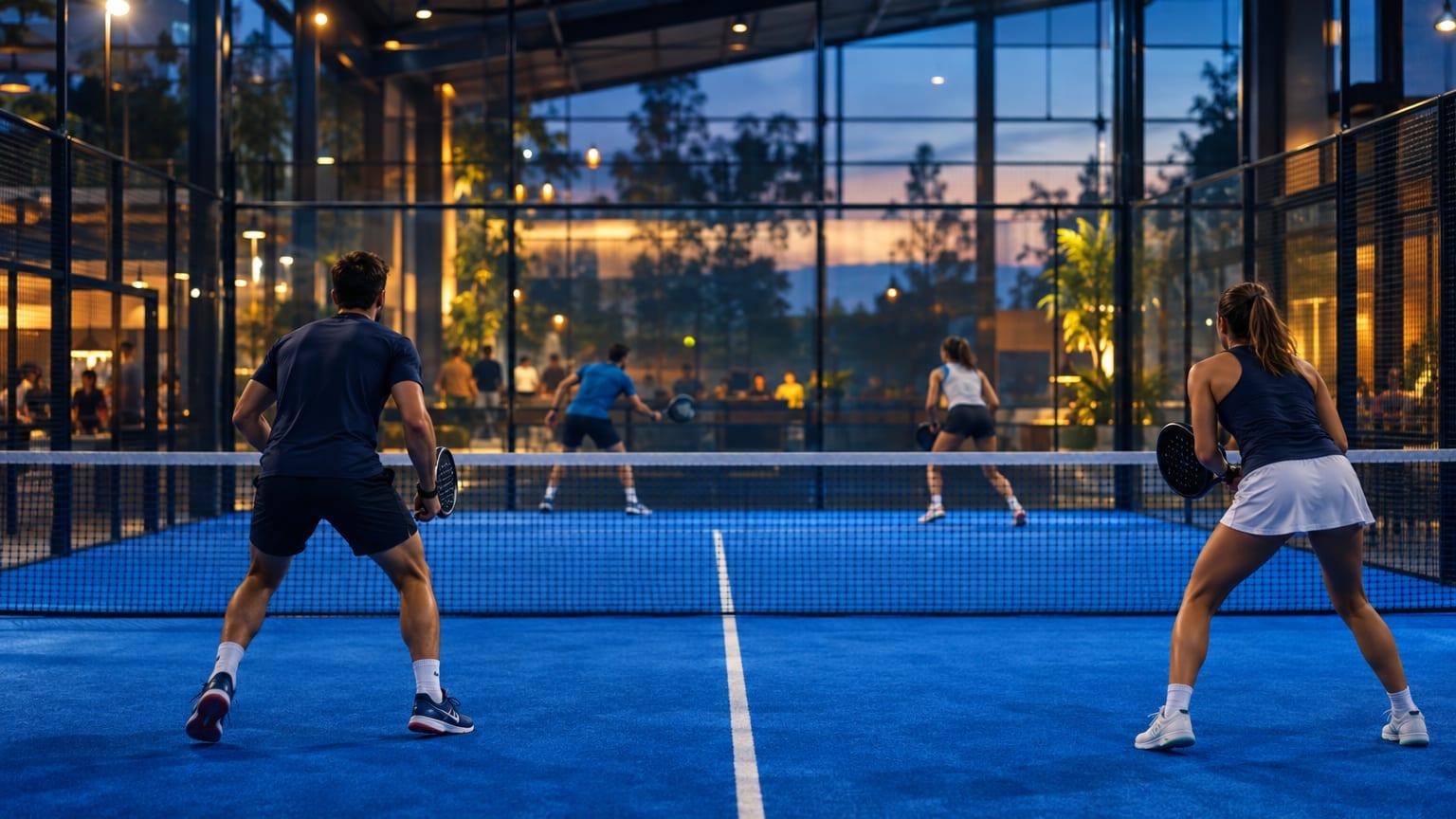
The stance. Stand with your feet a little wider than your shoulders and your knees bent. Your weight should sit on the balls of your feet, ready to move in any direction. A padel court is small, 10 meters wide by 20 meters long, and most points involve short, quick steps rather than long runs. A common beginner fault is standing flat-footed and reaching for the ball with the arm alone.
The ready position. Between shots, hold the racket in front of your body with the head up and your free hand lightly supporting the throat. Take a small hop, called a split step, as your opponent hits the ball, so you land balanced and can push off in whichever direction the ball goes. The split step is the cheapest improvement you can make in padel, and it takes about five minutes to learn.
The serve
Every point begins with an underarm serve, and the serve is the shot you can practise alone. The rules are covered in the rules guide, so here is the technique.
- Stand behind the service line, a little to the side of the center, facing the net at an angle.
- Hold the ball in your free hand and bounce it once on the ground in front of you.
- Let the ball rise to about waist height, then strike it with a smooth, short swing from low to high.
- Aim diagonally across the net, into the service box on the other side of the court.
The aim is to place the ball, not to hit it hard. A slow, deep, well-placed serve that lands near the back of the box gives the receiver a harder shot than a fast one that sits up in the middle.
After you serve, move forward to the net. In padel, the net is the strong position, and your team wants to be up there by the second shot of the point. Serve, then walk or jog forward behind it, and stop with your feet planted when the opponent hits. A good practice session is thirty serves, checking each time that the ball lands in the box and that you follow the serve to the net.
The volley
A volley is a shot hit before the ball bounces. It is the main shot at the net, and the one beginners find hardest to relax into. The mistake is to swing. A volley is a block or a short punch, and the racket does very little moving.
- Use a short motion. Hold the racket out in front of you, with the face slightly open, and meet the ball with a firm wrist. Do not swing back before you hit.
- Contact in front of your body. If the ball is next to you or behind you, you are late. Move your feet so you meet it with your arm extended slightly forward.
- Aim for depth. A volley that lands deep, near the back wall, pushes the opponents back. A volley dropped short, just over the net, can win the point, but only when the opponent is out of position.
- Move forward, not back. When the ball comes to you at the net, step into the shot. Stepping backward turns a volley into a defensive block.
You will hit most of your shots in a match as volleys, so this is where practice pays off first. A simple drill: stand at the net with a partner, a few meters from each other, and trade volleys back and forth without letting the ball bounce. Start gently, then raise the speed as you feel control. Counting a rally of twenty in a row is a good early goal.
The lob
A lob is a high, arching shot that goes over the heads of the players at the net and drops into the back of the court. It has two jobs. When you are defending, it pushes the opponents away from the net and gives you time to recover. When you are attacking, it forces them back and lets you take the net position yourself.
The technique mirrors the serve, with a low-to-high swing and an open racket face.
- Get your feet set early, and bend your knees.
- Open the racket face, tilting it up like a shallow bowl.
- Swing from low to high, brushing up the back of the ball.
- Follow through high, towards where you want the ball to land.
Aim for the back third of the court, high enough to clear the opponent's outstretched racket and deep enough that it bounces off the back wall or lands close to it. A lob that is too short is a gift, because a good opponent will hit it back with a smash. A lob that is too high and deep is nearly always safe, and a beginner should favor safe.
Practice the lob with a partner: one person stands at the net, the other at the baseline, and the baseline player lobs over the net player into the back of the court. Count how many of ten land past the service line.
The bandeja
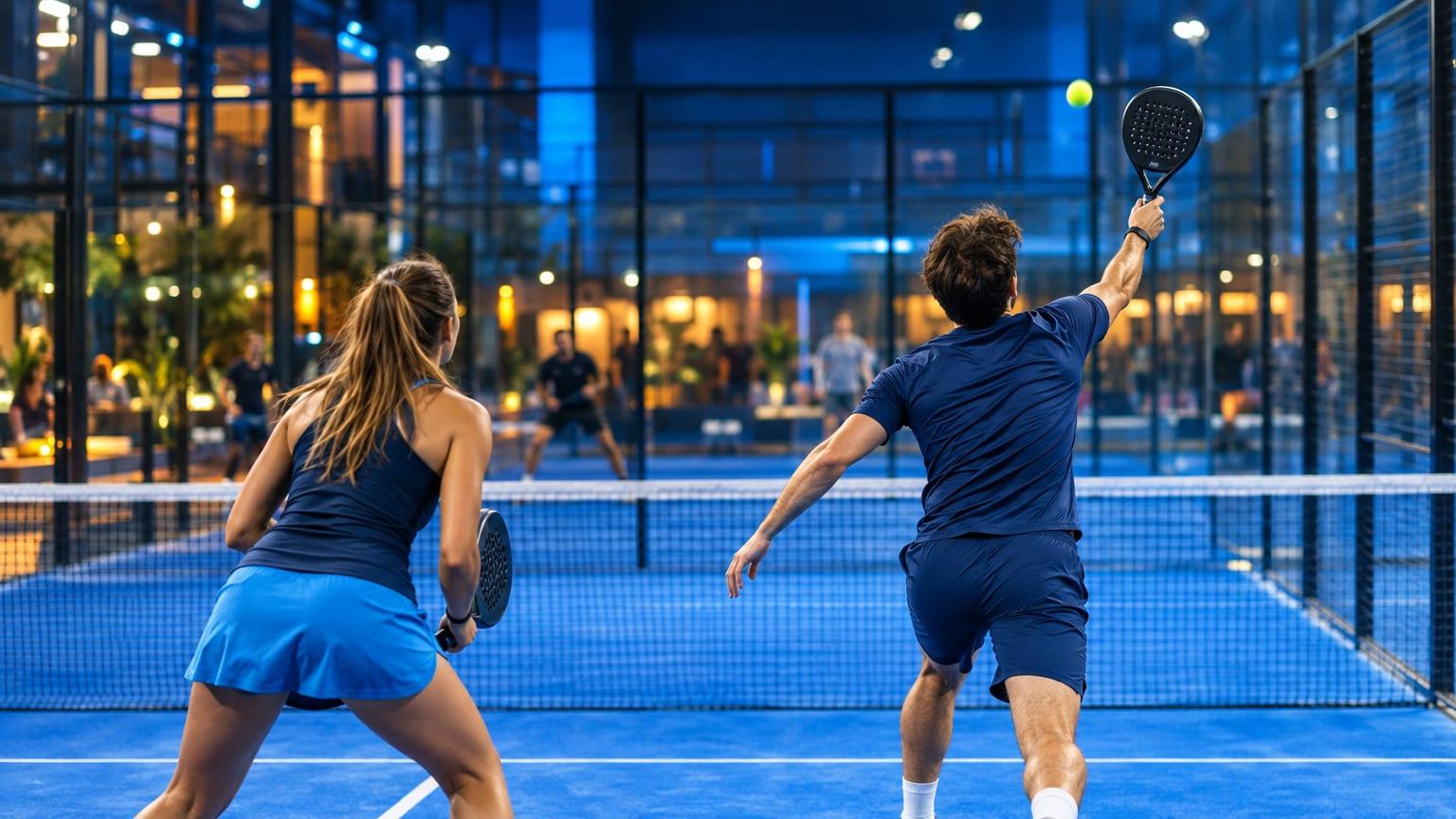
The bandeja, which means tray in Spanish, is the shot that separates a beginner from an improving player. It is an overhead shot, but a controlled one. Instead of smashing, you hit the ball from above head height with a slicing motion, so it goes forward with backspin and drops low after bouncing off the wall. The aim is to keep the ball in play deep and slow, and to hold your net position.
The reason for the bandeja is the lob. When opponents lob you, the instinct is to hit a big smash, but a heavy smash from deep in the court is hard to place, and a ball that rebounds off the glass can come straight back to the opponents. The bandeja gives you a safe, repeatable answer that keeps you at the net.
- When you see a lob coming, turn your body sideways and step back with your racket already raised, with the elbow high.
- Keep your eyes on the ball and take it above your head, slightly in front of your hitting shoulder.
- Swing with a controlled, slicing motion, from high to low, as if you were slicing a tray of food off a shelf.
- Aim deep, down the line or to the center, and follow the ball forward to the net.
Learn the footwork before the swing. Most failed bandejas fail because the player does not turn and step back early enough, and ends up reaching. The swing is gentle. Think of it as placing the ball and not hitting it, and speed will come with practice.
A drill that works well with a partner: one person lobs gently from the baseline, and the other hits a bandeja and then returns to the net. Repeat for ten balls, then swap. Do not worry about the ball landing perfectly. Early on, the goal is the turn, the step and the recovery.
Using the glass and the walls
The wall is what makes padel different from every other racquet sport, and a beginner's fear of it is the main thing that keeps them from improving. Once you stop thinking of it as an obstacle and start treating it as a second bounce, the game opens.
The principle is simple. After the ball bounces once on your side of the court, it may hit the back wall or the side wall, and you may still play it. The rule is covered in the rules guide. The technique is this.
- Wait for the ball to come off the glass. Do not rush it. Let it bounce, hit the wall, and drop. You hit it as it comes back toward you, usually at about waist height.
- Get your body behind the ball. Move so that the ball comes to you, not so you have to lunge for it. The wall sends the ball back with some speed, so you need to be set before it arrives.
- Use a shorter swing than you think you need. The wall has already done part of the work. A short, smooth swing, aimed with the face, is enough to send the ball back over the net.
- Aim low and deep, or aim for the opposite wall. The simplest defensive reply is a controlled shot that lands near the opponents' feet or goes up to the wall.
The easiest way to practise is the wall rally. Stand in the back third of the court and have a partner feed gentle balls that bounce and hit the back wall. Your job is to let each one bounce, take it off the glass and return it to the other side. Start with straight balls, then move to balls that hit the side wall too. Ten returns in a row is a solid goal.
A related shot, the bajada, is a downward smash taken after the ball has bounced off the back wall. It comes later. For now, learn to read the rebound and return it safely, and the rest follows.
How to practise without a coach
Padel rewards short, focused practice more than long sessions of random hitting. A simple plan for each session is to spend ten minutes on each of three things.
- Warm-up rally. Rally gently with a partner, aiming for consistency. Count how long you can keep the ball going.
- One new shot. Pick one of the shots above, and repeat it. Quantity matters, so aim for fifty repetitions.
- A game. Finish with a short game, where you try what you practised. A shot is only learned when you use it under mild pressure.
Three habits help across all of them. First, communicate with your partner, using short calls like mine and yours so two people do not both leave the ball. Second, keep your racket up and your feet moving, since most errors come from late preparation, not from a bad swing. Third, move forward as a pair. In padel, teams are strongest at the net, so look for chances to advance together and hold the position after each shot.
Video also helps. Ask a friend to film a rally from behind, and watch your feet. If you are not turning for the lob or are standing flat on the volley, it will show.
Learning padel in Metairie
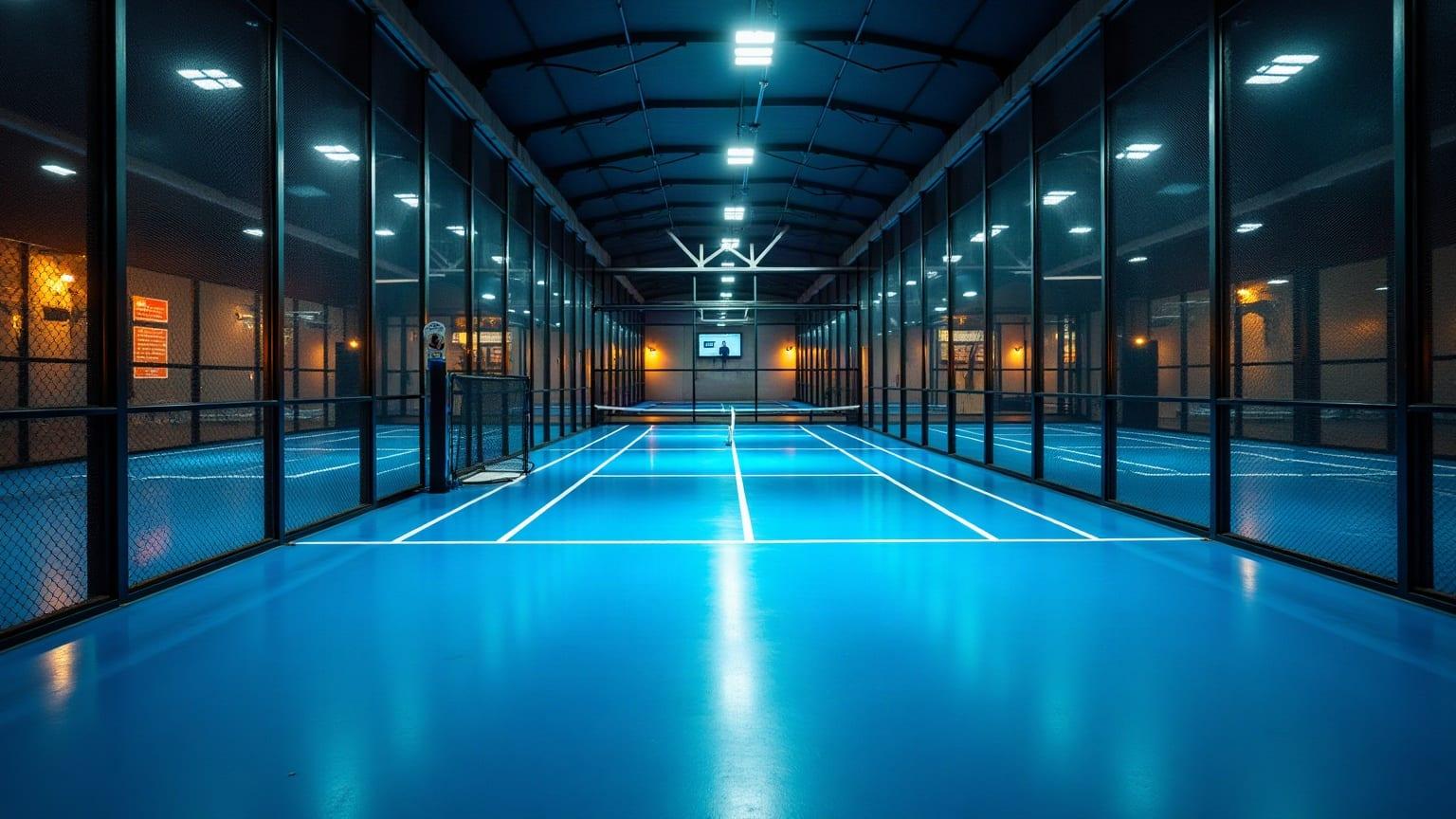
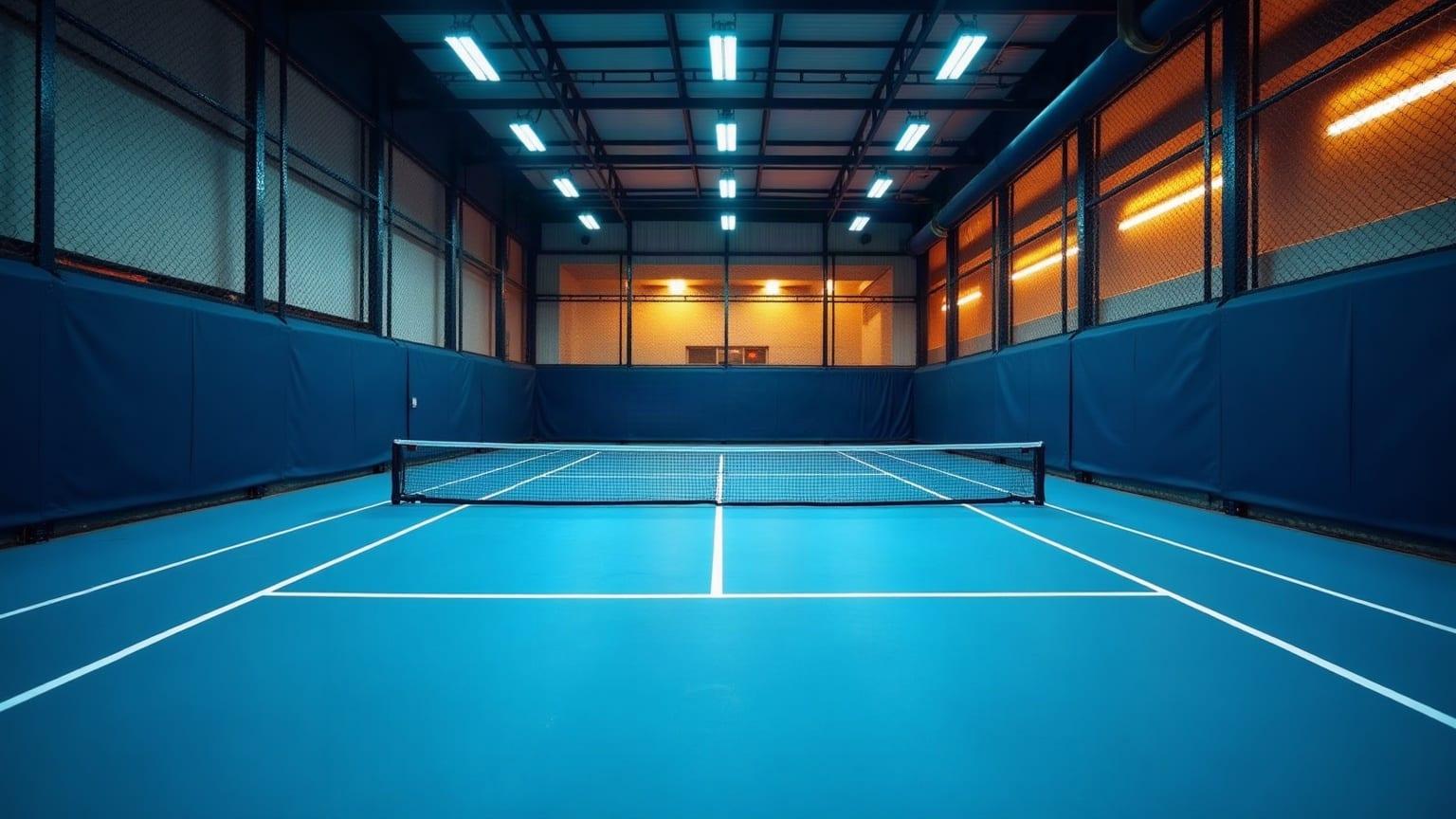
Practice is easier on a real court. Pickle N Pins has indoor padel courts in Metairie, and its own copy calls it the first venue in Metairie to have padel courts. Its padel page says rental rackets and balls are provided, with the option to bring your own, and that the courts offer lessons and clinics for beginners as well as advanced players, along with open play for meeting new partners. Because the courts are indoors, practice does not depend on the weather.
If you are choosing between racket sports, Padel vs Pickleball: What Is the Difference? compares the two so you can decide where to start. If you want to see other places that offer the sport, Where to Play Padel Near New Orleans lays out what the area has to offer. Lessons are priced by duration and by whether you are a member, so check the pricing page before booking.
The short version
Learn five shots in this order: the serve, the volley, the lob, the bandeja and the rebound off the glass. Hold the racket loosely, bend your knees, and use a split step. Place the serve, block the volley, lob high and deep, and take the bandeja slowly and with your elbow up. Let the ball come off the wall instead of chasing it, and practise each shot in short sessions with a partner. Do that for a few weeks, and the sport that looked complicated turns into one of the most sociable games on any court.