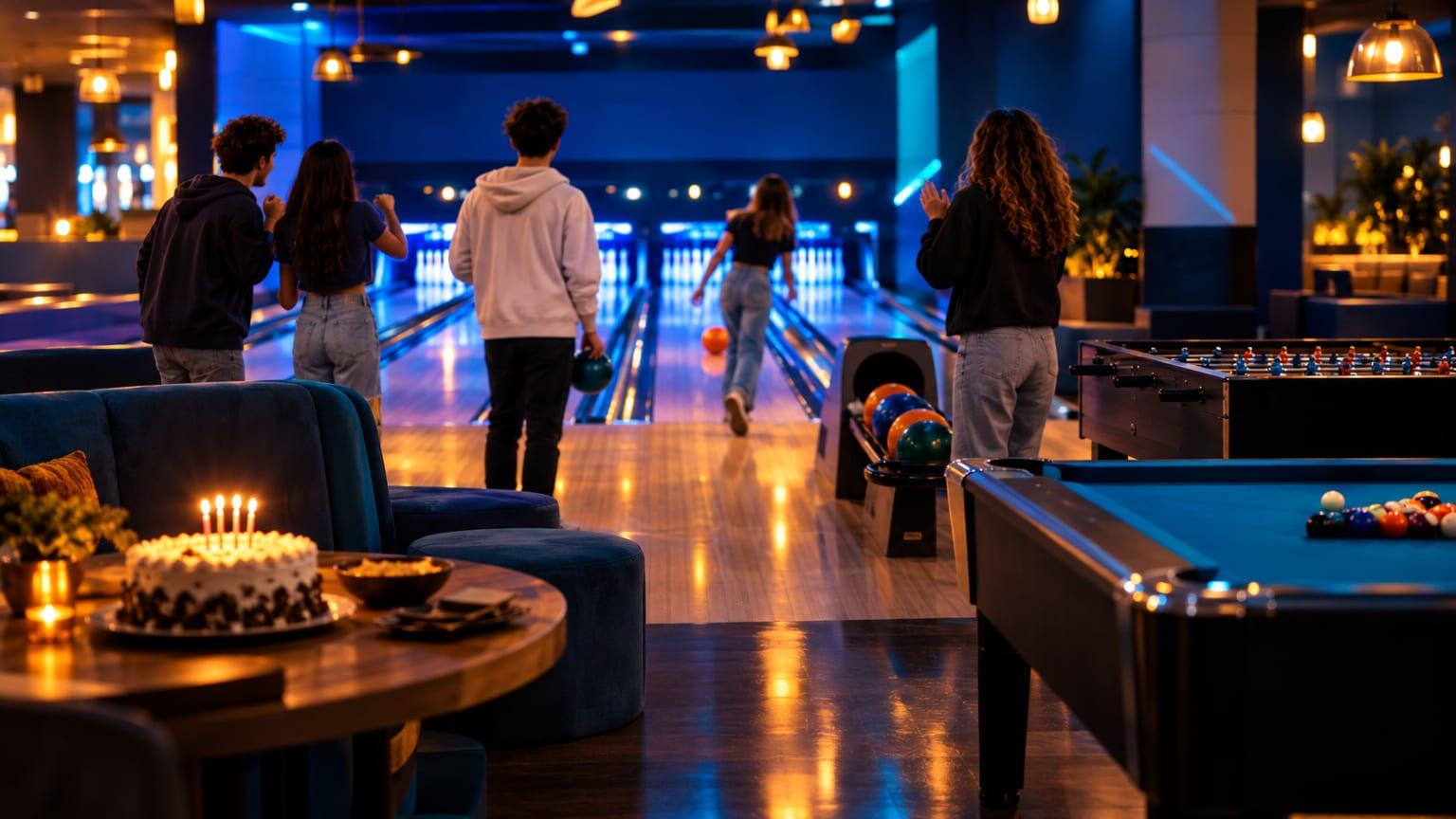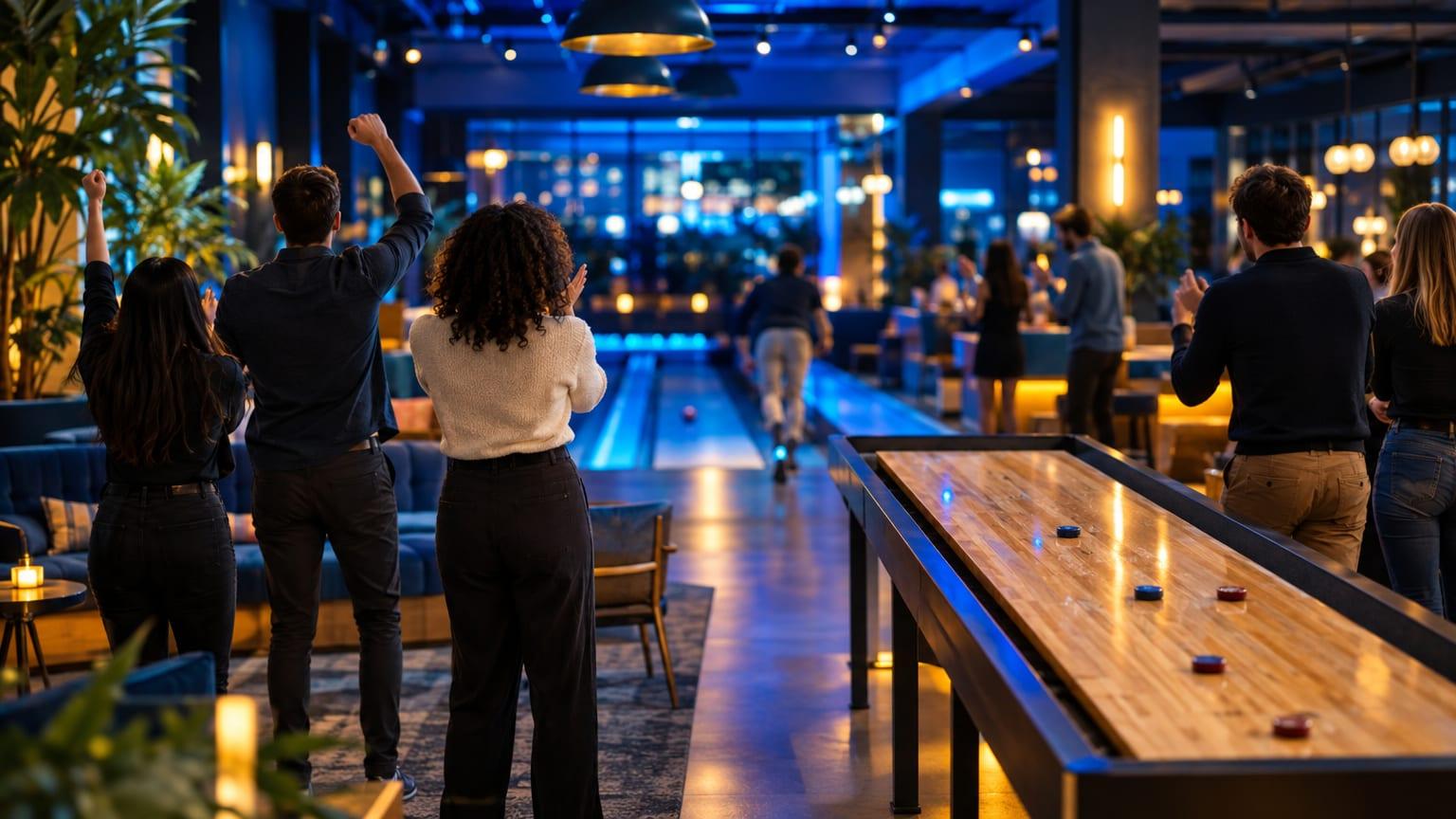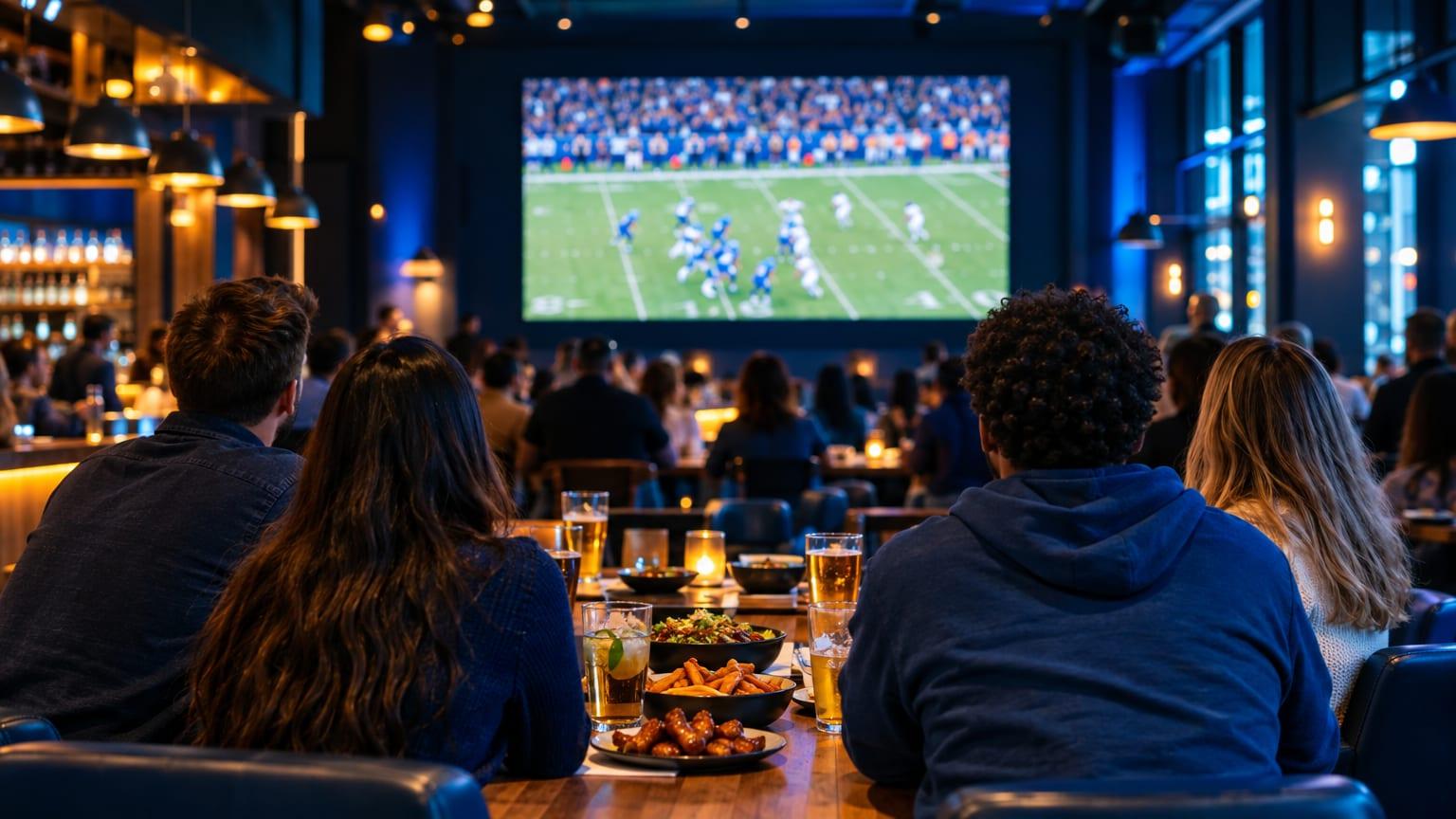

An office holiday party succeeds or fails on one question: what are people doing for the three hours they are there? A buffet, a playlist and a room full of colleagues in their good clothes will produce forty minutes of pleasant chat and then a slow drift to the door. A party with something to do gives people a reason to mix, a shared story for Monday morning and a way into conversation that does not depend on how well they know each other.
This guide is for whoever has been handed the job of planning. It covers the formats that work for office parties, how to design activities for a team with mixed ability, how to use icebreakers without cringing, and how to pick a venue and plan the logistics around Metairie and New Orleans. It is written to apply to almost any workplace, whether it has eight people or eighty. For the venue-picking side in more detail, our holiday party venues in Metairie guide is the companion piece.
What makes an office holiday party work
Before choosing an activity, it helps to know what the party is for. The best office events tend to deliver four things.
Mixing. People who sit near each other all year spend the party with the same three colleagues. A good activity breaks those clusters up and introduces departments, remote workers and new hires to each other.
Inclusion. Not everyone is sporty, outgoing or comfortable in a crowd. The format should have a role for the competitive, the chatty and the quiet.
Low pressure. A holiday party is not a performance review. Activities should be forgiving, with nobody left embarrassed and skill not mattering much.
A clear shape. Parties that have a beginning, a middle and an end feel organised. Without a shape, people tend to wait for permission to leave.
If your plan delivers those four, almost any activity will do. If it delivers none, the best venue in the city will not save it.
Choosing the format
There are four basic formats for an office party, and they can be combined.
The mixer
A relaxed social event with food, drinks and a few optional activities. This suits large groups and teams that already get on well. Its strength is flexibility; its weakness is that without any structure it can go flat.
The tournament
Teams compete across one or more games, with points tallied and a winner at the end. This suits competitive offices, and gives the party energy and a clear finish. Its risk is that it can leave the less sporty feeling sidelined, which the design tips below address.
The rotation
Groups move between stations or activities on a timer. This ensures everyone tries everything and mixes with different people. It takes some organisation, but works very well for mid-sized groups.
The sit-down plus a game
A meal as the centrepiece, with a short activity before or after. This suits formal offices and leaders who want a proper dinner. It is the least active option, but it can still have a shape.
Pick the format by asking what your team is like on a normal Tuesday. A quiet, analytical team probably wants a rotation with low-stakes games. A loud sales floor probably wants a tournament.
Icebreakers that do not make people wince
The word icebreaker makes many people groan. The right ones do not feel like icebreakers at all; they feel like part of the game.
- Team draws. Do not let people choose teams. Draw names or colours so teams mix departments and levels. This does the icebreaking without anyone having to introduce themselves.
- Team names. Give each team five minutes to invent a name. It is silly, it forces a conversation and it produces running jokes for the rest of the night.
- Two truths and a lie. An old standby that still works, particularly for a group where people do not know each other well. Keep it optional and quick.
- A scavenger-style list. Give each person a card with prompts such as "find someone who has been here for more than five years" or "find someone who has run a race." It sends people across the room, and works well in the first half hour.
- Partner swaps in games. In a doubles game, swap partners every round so everyone plays with several people.
- A simple prize. Silly awards, like most creative team name or best comeback, make the winners feel good without making the others feel bad.
Whichever you choose, keep it short and make it easy to opt out. A forced icebreaker that runs for twenty minutes will hurt the mood more than none at all.
Games that suit mixed-ability groups
The key design problem for a company party is that ability varies enormously. The sales manager played college sport, and the new hire in accounts has not picked up a ball since school. Choose games where skill matters little, or where the format narrows the gap.
Duckpin bowling. The balls are small and the pins are short, so almost anybody can knock something down. It is turn-based, which leaves plenty of time to chat. Our what is duckpin bowling and how to keep score in bowling guides will have the group playing quickly.
Shuffleboard. Slide a puck, score points. The rules fit on a card, and the difference between a first-timer and a veteran is smaller than you would think. See shuffleboard rules for beginners.
Darts. Another low-barrier game that suits a team playing in small groups. Our darts rules for beginners guide explains scoring.
Pickleball. The court is small, the ball is slow, and the game is played in doubles, so a mixed-ability pair can play well together. Pickleball for beginners gets a new player to a first rally quickly, and the doubles format helps the group mix.
Padel. Similar to pickleball in spirit, played in a walled court, and good for a group that wants something a little different. Our padel vs pickleball guide helps you choose between them.
Free games. Cornhole, washers, table tennis, foosball and Connect 4 are good for people who want to join in without committing to a team. They also keep the party moving during a break.
Axe throwing. Good for groups that want something with a little edge. Players must be at least twelve and wear closed-toe shoes, so tell your team in advance. See axe throwing for beginners.
Design tips for a fair tournament
If you run a tournament, a few design choices keep it friendly.
- Mix the teams by draw. Never let the athletes group together.
- Use a handicap or a twist. Have the stronger player use their non-dominant hand, or add a bonus round that rewards luck.
- Score across several games. If the team that wins bowling does not automatically win everything, more people stay in the running.
- Award points for spirit. A team that cheers loudest or dresses best earns a bonus.
- Keep rounds short. Fifteen to twenty minutes per game keeps energy up and prevents boredom.
- Have a back-up for anyone who does not want to play. A scorekeeper, a photographer or a cheering section is a real role, and works well.
Making space for the people who do not want to play
In every office there are people who would rather not take part in games, and a good party works around that without singling anyone out. Make participation optional, offer a seat with a view of the action and good company, and make sure the food and drink are as central as the games. A venue with a bar, a kitchen and a lounge area gives a person who is not playing something to do. Colleagues who are watching and talking are still taking part; that is mixing too.
Also think about accessibility. Choose activities that can be adapted for people with limited mobility, such as shuffleboard, darts and table games, and make sure at least one of them is available all evening.
Planning the structure of the evening
A simple timetable makes everything easier. Here is a pattern for a three-hour party.
- First thirty minutes: arrive and settle. Drinks, food and an easy first activity, such as a scavenger card. Let latecomers join without missing the start.
- Next hour: the main activity. The tournament or rotation, with teams drawn in advance.
- Next thirty minutes: food break. Everyone eats together. This is a good moment for a short thank-you from leadership.
- Next forty-five minutes: the second activity or finals. Something lighter, or the final round of the tournament.
- Last fifteen minutes: awards and goodbye. Present the silly prizes, thank everyone, and let people drift away or stay on.
Adjust the length to fit your group. The principle is that the party should have a build and a finish, not an open-ended drift.
Food and drinks
Food shapes the mood of a party as much as the activity. Mix shareable dishes that can sit on a table through the evening with a proper meal moment. A varied menu helps with different tastes, and you should check for dietary needs ahead of time. Pickle N Pins has a full bar and a kitchen, and the menu page lists appetizers, salads, sliders, street tacos and pizzas, which work well for a group of mixed tastes.
Be thoughtful about drinks. A holiday party often involves alcohol, and good hosts give people non-alcoholic options, make sure nobody feels pressured, and arrange transport home in advance.
Venue and logistics around Metairie
Choosing a venue is easier once the format is clear. An indoor space with several activities, food and a bar suits a rotation or tournament, because nobody has to travel mid-party. Pickle N Pins in Metairie offers pickleball and padel courts, duckpin bowling, axe throwing, Krazy Darts, shuffleboard, an arcade and free backyard games under one roof. Its special events page describes corporate, holiday and team-building parties and has a form to request an event. The page describes holiday parties as celebrations for colleagues, friends and family, and team-building events as designed to foster communication, trust and camaraderie.
For wider options and a framework for comparing venues, read the holiday party venues in Metairie guide, and for non-holiday team events, corporate team outings near New Orleans goes deeper.
A few logistics points apply anywhere.
- Book early. December is the busiest time of year for events in the area. Start planning as soon as the date is set.
- Confirm the number. Know how many are coming, and plan activities for the likely turnout.
- Share the details. Send out the time, place, parking information and any requirements, such as shoes.
- Think about dates. A weeknight can be easier on people's calendars and travel, while a Friday suits a more relaxed party. The venue's hours are listed on its site.
- Plan for plus-ones. If partners are invited, choose activities that suit mixed groups.
- Appoint a host. One person keeps the timetable, makes the announcements and handles problems.
Keeping it inclusive
A holiday party covers many cultures and beliefs, and a good party reflects that. Use general "holiday" or "year-end" language where it helps, avoid activities that centre on one tradition, and make the food and drink flexible. Choose a time that does not clash with childcare obligations if you can, and make the event feel like a thank-you rather than an obligation. If attendance is voluntary, say so.
The bottom line
A good office holiday party has mixing, inclusion, low pressure and a clear shape. Choose a format that suits your team, draw the teams so departments mix, pick games where ability matters little, and leave room for people who prefer to watch. Plan the evening in blocks, feed people well, and take care of logistics early. In Metairie, the special events page is the place to start a conversation with the venue, and the activities page shows what your team could play.